
South Gate City Directories: Regional Shelf
The primary South Gate city directory collection is the Los Angeles Public Library’s digitized Los Angeles-area city and street-address directories. The run spans 1875 to 1987 and is searchable by name or address in Visual Collections. It is a regional run, not a verified uninterrupted South Gate-only publication. A volume’s contents and locality headings decide whether a particular year reaches the city.
Norwalk’s Californiana Collection adds physical city directories, census schedules, histories, and newspapers. The 1918 South Gate Gardener and local photographs supply a different kind of evidence. The coverage table keeps those sources distinct so a scan, a closed-stack volume, and a census page are not mistaken for the same record set.
| Collection | Years or span | Where held | Access |
|---|---|---|---|
| Los Angeles-area city and street directories | 1875 to 1987 | LAPL Visual Collections | Online name and address search; verify locality |
| Californiana city directories | Nineteenth century onward; exact South Gate run not itemized | Norwalk Library closed stacks | Ask staff to retrieve volumes |
| California census schedules | 1850 to 1910 | Californiana Collection | Library access |
| South Gate Gardener | 1918 items shown | LA County Library local history | Online images and narrative |
| Federal census | 1790 to 1950 public in 2026 | NARA and partner sites | Address and enumeration-district research |
Finding South Gate Inside Los Angeles Volumes
The LAPL city and street directory collection is the best online first stop. Search a surname, a street, or an address, then inspect the page image and the volume’s title or contents. OCR can join columns, miss a diacritic, or read a street number incorrectly. A name hit still needs a visual check.
South Gate was incorporated in 1923 and grew inside the Los Angeles metropolitan directory market. Search “South Gate,” “Hollydale,” and nearby Los Angeles-area headings when a person or street does not appear under the expected city name. A missing result may reflect locality coverage, a skipped publication year, or an index error rather than a missing household.
The digitized collection image shows why the city directory search needs both a name route and an address route. The street-address section can confirm a household clue that the alphabetical index missed.
Norwalk Californiana Holds the Physical Backfile
LA County Library’s Californiana Collection is held in closed stacks at Norwalk Library, 12350 Imperial Highway, Norwalk. The collection has more than 24,000 books, over 200 magazine and newspaper titles in paper or microfilm, California census schedules from 1850 to 1910, county and city histories, and directories dating from the nineteenth century. Staff retrieval is part of the access method.
The physical shelf matters when an online city directory has a gap, when a scan is hard to read, or when a researcher needs a regional history beside the name entry. Ask staff to check the catalog and shelf for South Gate, Hollydale, and the relevant Los Angeles-area title. The official pages do not publish an itemized continuous Polk run, so no unverified publisher sequence should be assumed.
The LA County Library local-history collection page describes the Californiana access route and its regional holdings.
The Californiana image represents the library fallback when a South Gate city directory is present in a closed stack rather than on an open web page.
Read a South Gate Directory Entry
A city directory entry is compact. It may name a person, place a spouse in parentheses, give an occupation or employer, show a home address, and use a short letter such as “r” for residence or “h” for householder. A widow notation can be a useful family-history clue. The exact style changes by publisher and year, so the volume’s abbreviation page should be read before a mark is expanded.
The street half reverses the order. It starts with the street and number, then lists an occupant or business. Compare the alphabetical entry and the street entry rather than relying on one line. A house number, spouse name, occupation, or adjacent household can help separate two people with a shared surname.
| Entry feature | What it may show |
|---|---|
| Name | Surname, given name, middle initial, and sometimes spouse or widow notation. |
| Occupation | Work or employer that can distinguish same-name households in one year. |
| Address | House number and street, often paired with a residence or householder mark. |
| Street section | Reverse address order with an occupant or business at the number. |
| Abbreviation key | Publisher-specific definitions that should be checked before interpretation. |
- Criss-cross directory
- The street-order half of a directory, organized by address.
- Householder index
- An index or mark that points to the person treated as head of the household in that volume.
- Abbreviation key
- The page that explains short marks, occupations, and address conventions.
OCR Can Miss a South Gate Name
Searchable text is a finding aid, not the final reading. Broken type, tight columns, faded pages, hyphenated surnames, Spanish surname forms, and omitted diacritics can defeat OCR. Search paternal and maternal forms, compound or hyphenated versions, maiden and married names, and a street number without the person’s name.
When a hit appears, inspect the scan. Copy the page number, volume year, street spelling, household marks, employer, and nearby entries. Manually check the next page when a street section runs across a column break. Those small steps preserve the evidence needed to compare one South Gate city directory year with another.
Note: A directory omission can reflect a move, death, locality change, skipped year, OCR error, or publisher choice.
The 1918 South Gate Gardener
The South Gate Local History collection identifies a 1918 issue of the South Gate Gardener with a back page presenting early residents. The same collection includes photographs, maps, brochures, school and factory images, a 1927 streets and residences view, and a 1972 Hollydale map. These sources do not replace a directory, but they add names and local setting where a printed index is thin.
South Gate’s land history also helps explain the records. Rancho San Antonio was divided after 1850. The Cudahy Ranch Company became the Southern Extension Company, and South Gate Gardens promotion began in 1917. Incorporation followed in 1923. Search tract promotions, early publications, and later city directories as connected parts of the same change from ranch land to planned streets.
Pair South Gate Directories with Census
A directory supplies a repeated address and often an occupation. The federal census supplies a household snapshot, relationships, ages, and other fields for a released year. The National Archives explains the 72-year release rule, while South Gate QuickFacts provides current demographic context rather than named households. In 2026, the 1950 census is the newest public population schedule. Use the street and enumeration district to compare a directory entry with the right census page.
Do not expect identical spelling or household shape. A directory may list one householder while the census lists every person present. A family can also change between the directory’s publication date and the census date. An obituary, probate file, deed, or permit can help distinguish death, a move, and a remodel.
The National Archives census collection provides the release rule and research route for the comparison.
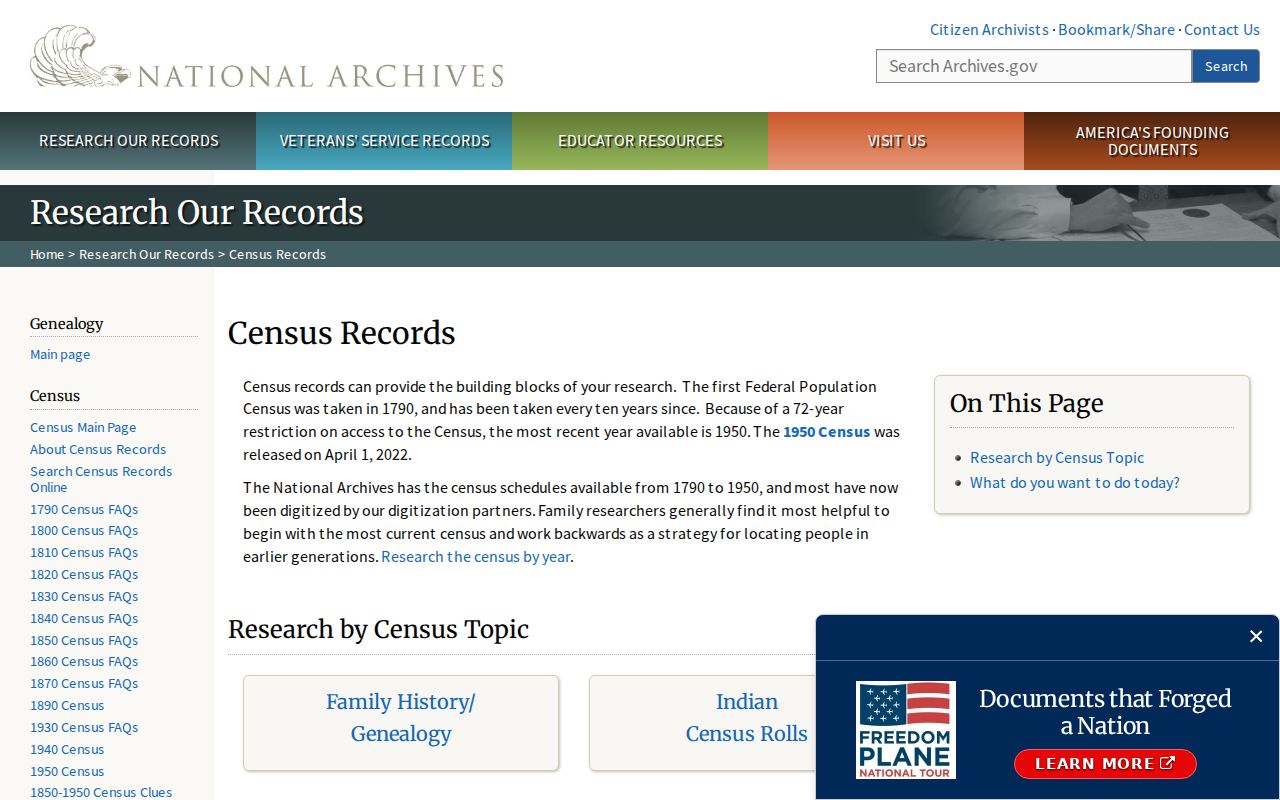
The census research view supplies the time boundary that keeps a city directory search honest. A later year is not missing merely because it has not yet been released.
Hollydale Needs Its Own Search Term
Hollydale began as a planned community in the 1920s, was annexed early, and kept a distinct local identity. A city directory, obituary, school item, or newspaper may use Hollydale when a current parcel system uses South Gate. Search both terms and record the wording printed in the source.
Service geography reinforces the distinction. The city notes that Hollydale receives water from Golden State Water Company rather than the main city service. That fact helps place a historical address, but it does not identify a household. The directory’s street number and legal parcel clues still carry the proof.
| Search label | Why it belongs in the query |
|---|---|
| South Gate | Modern city and most municipal records. |
| Hollydale | Historical neighborhood identity and local-history descriptions. |
| Street and number | Reverse-directory route when name OCR fails. |
| Tract or lot | Land identity when street numbering or locality labels shift. |
County Clerk Records Surround Directory Gaps
Historical research sometimes lands outside the city directory shelf. The Los Angeles County Registrar-Recorder/County Clerk handles marriage records from 1852, fictitious business names, notary filings, and other county records. A marriage copy or business filing can anchor a name to a date, but it is not proof that the person stayed at a South Gate address.
Use a historical directory to form the lead, a county or state index to test the event, and an official copy when the relationship or date matters. The county’s records service explains the normal purchase and request route separate from a California Public Records Act request.
The Los Angeles County records service identifies the companion county-clerk access route.
The county clerk image illustrates a companion source that can close a gap around a directory entry without being confused with a city directory itself.
South Gate Directory Milestones
A short timeline keeps a city directory search tied to South Gate’s development. It also explains why a printed run can change shape as the city moves from ranch and tract records to municipal files, wartime industry, and postwar streets.
| Period | Local record context |
|---|---|
| 1850 | Los Angeles County organization and the beginning of RR/CC real-estate indexes. |
| 1917 | South Gate Gardens promotion and tract development enter the local paper trail. |
| 1923 | South Gate incorporates with about 500 residents. |
| 1933 | Long Beach earthquake damage creates repair, photograph, and newspaper clues. |
| 1875 to 1987 | LAPL’s regional city and street directory run supplies searchable historical coverage. |
Trace a South Gate Household
A useful city directory sequence follows one household without claiming that every year must contain an entry. Start with a known date, address, or relative. Record the first appearance, the last appearance, the street spelling, and every associated mark. Then test the gap against a census, obituary, probate file, deed, permit, or local-history source.
- Choose two or three directory years around the event or address you already know.
- Read the alphabetical entry, then find the same house in the street-address section.
- Write down spouse notation, occupation, employer, householder mark, adjacent numbers, and locality label.
- Pair the nearest released census year and compare the street, enumeration district, names, and relationships.
- Use obituary, probate, deed, permit, or library history evidence to test whether a gap means death, move, construction, or simple omission.
The directory collection itself can show a past address, but the South Gate previous residents trail combines it with deeds and parcel history when the question is one house backward through time.
Research habit. Save the volume title, year, page image, exact locality wording, and the source URL before moving to another record set.
South Gate Catalog Limits
Official pages do not publish a complete South Gate-specific Polk publisher sequence, exact reverse-directory shelf list, or dedicated Sanborn map year list. Regional sheets may classify the area under Los Angeles County or a neighboring community. A careful request asks Californiana staff for the catalog or shelf inventory before naming a continuous run.
That gap is useful information. It prevents a city directory search from turning a regional collection into an invented local series. Keep the published 1875 to 1987 LAPL span, the nineteenth-century Californiana description, and the 1918 South Gate history material separate until a catalog record joins them.